
Following the attack on 13 June, the price of Brent crude oil temporarily rose to 78 dollars per barrel, but later fell to 74 dollars. On the European TTF gas exchange, the price of natural gas rose by more than 5.5%, reaching 38 euros per MWh. Since the escalation of the conflict, prices of crude oil, oil products, and natural gas have risen by 10%.
Iran is one of the most important producers of oil and liquefied natural gas (LNG), with a total volume of around 4.7 million barrels per day, or nearly four per cent of the global fuel market. Absence of this amount of oil and gas would have a major impact on the market balance.
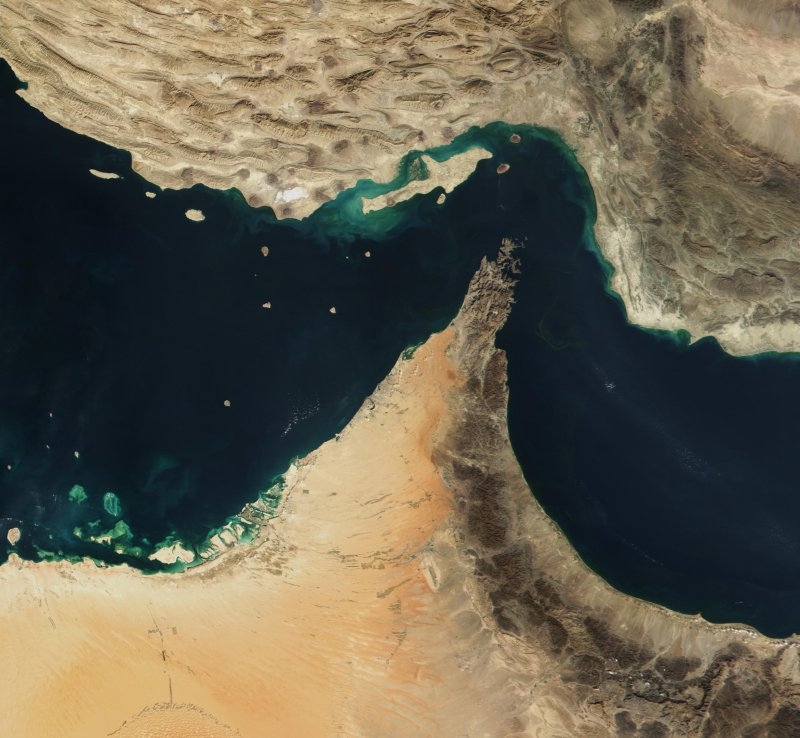
Iran has threatened to close the Strait of Hormuz, one of the world’s most important international shipping lanes. The narrowest point in the strait is just 33 km, but almost 25 per cent of the world’s oil and 20 per cent of LNG production passes through it. It is not possible to find a quick substitute for such a large amount of fuel and the decision would lead to a serious supply chain crisis. The Strait of Hormuz is also an important shipping route for other critical commodities in addition to oil. Disruption to shipping could affect supply chains and lead to delays in the import of raw materials, electronics, and consumer goods in Europe.
The last time the IEA decided to release its member states’ strategic fuel stocks to stabilise global fuel markets was in spring 2022, when Russia launched a full-scale war in Ukraine. Estonia responded in solidarity and the Government of the Republic of Estonia tasked the Estonian Stockpiling Agency with releasing 15,000 tonnes of diesel fuel stocks for consumption. By the end of the same year, Estonia had restored its fuel stocks to their original levels.
Read more about the principles for releasing Estonian national liquid fuel stocks here.

