
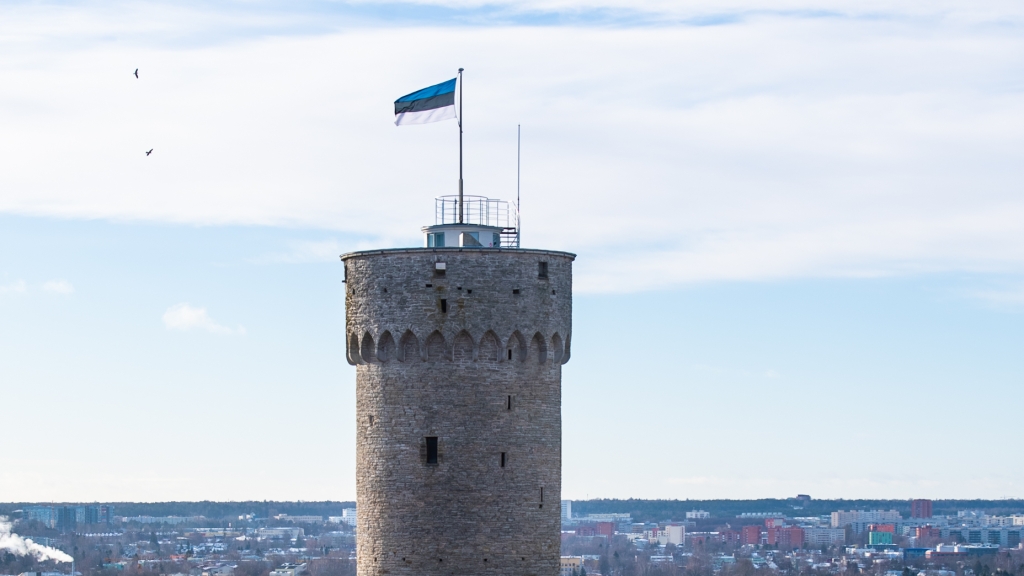
The updated National Security Concept (NSC) provides a clear and comprehensive framework for ensuring Estonia’s security in a changed international environment.
The NSC was drafted in a volatile security environment where growing global instability and rivalry increase the risk of tension and conflict. Russia remains the greatest threat to Estonia and to Euro-Atlantic security. Changes in the strategic interests of the United States have led to a situation that requires European countries to take greater responsibility for ensuring their common security.
The core objective of the strategy document is to set targets to bolster Estonia’s security in five interconnected areas of action: social cohesion and civil protection; economic security and critical services; internal security; military defence; and international activities. Throughout, it addresses security according to the principle of comprehensive defence, wherein the state, local government units, businesses that provide vital services, communities and every individual have a role to play.
Compared to the previous NSC, which was approved in 2023, the latest version has reinforced a number of key directions. Greater emphasis is placed on civil protection as a distinct and systematic field of action to protect people from the risks arising from crises and to help them mitigate the consequences. NSC also calls for people to be able to cope independently for at least seven days. The objective of boosting security of supply and the resilience of society as a whole is also highlighted, with society expected to maintain at least 30 days’ worth of emergency stocks. The concept of economic security has been significantly broadened, including ensuring critical services and security of supply.
Energy security, security of supply and the role of the state in crisis situations, including the need to ensure functioning interconnections, are addressed more specifically in the NSC.
The NSC is revised at least once every four years in accordance with changes in the security environment or Estonia’s capacity to ensure its security.
The NSC is drafted by the Government and approved by the Riigikogu (Parliament). The drafting of the latest version was led by the Government Office with contributions from all ministries and the Bank of Estonia. Researchers from the Estonian Academy of Security Sciences and the Baltic Defence College, experts in the field, journalists, the Foreign Affairs and National Defence committees of the Riigikogu and the International Centre for Defence and Security were also involved.

